

Vegetable Oil-Based vs Petroleum Lubricants: What You Need to Know for Equipment Care
Forget what you think you know about lubricants. Most folks stick with petroleum because it’s familiar, but vegetable oil-based lubricants are changing the game. If you care about equipment care and want a product that’s tough on rust and safe for the planet, you’ll want to see how these biodegradable lubricants stack up. Stick around and I’ll show you why STUFFF is the smart choice for lasting performance without the harsh chemicals. Check out this link for more insights: https://stufff.ca/vegetable-oil-based-vs-petroleum-lubricants-performance-you-can-feel-sustainability-you-can-trust/.
Understanding Lubricant Types

Today’s lubricant choices can make a big difference in equipment care. Let’s explore how vegetable oil-based lubricants compare to traditional petroleum options.
Vegetable Oil-Based vs Petroleum
You might wonder why anyone would switch from petroleum to vegetable oil-based lubricants. The answer is simple: performance and environmental impact. While petroleum lubricants have been around for decades, vegetable oil-based ones are gaining popularity due to their eco-friendly properties.
Petroleum lubricants are derived from crude oil, which undergoes refining processes that can leave behind harmful byproducts. On the other hand, vegetable oil-based lubricants are made from renewable resources and offer a biodegradable option, reducing pollution. For a deeper understanding, check out this comparison between bio-based and petro-based lubricants.
Key Performance Differences
Performance is where vegetable oil-based lubricants shine. They provide superior lubricity, meaning they reduce friction more effectively. This results in less wear and tear on machinery. Additionally, these lubricants have a high viscosity index, maintaining their consistency over a wide temperature range.
In contrast, petroleum-based lubricants may thin out at high temperatures, reducing their effectiveness. Consequently, vegetable oil-based options can extend equipment life by reducing heat and friction. Learn more about how synthetic lubricants compare to petroleum products.
Environmental Impact and Safety
When it comes to safety, vegetable oil-based lubricants are the clear winner. They are non-toxic and biodegradable, making them safe for both users and the environment. This means no worrying about harmful spills or fumes.
Petroleum-based lubricants, however, can be hazardous. They often contain volatile organic compounds (VOCs) that contribute to air pollution and health risks. By choosing vegetable oil-based lubricants, you’re making a safer choice for your team and the planet. Curious about the eco-friendly benefits? Check out why plant-based lubricants are better than petroleum.
Real-World Maintenance Insights
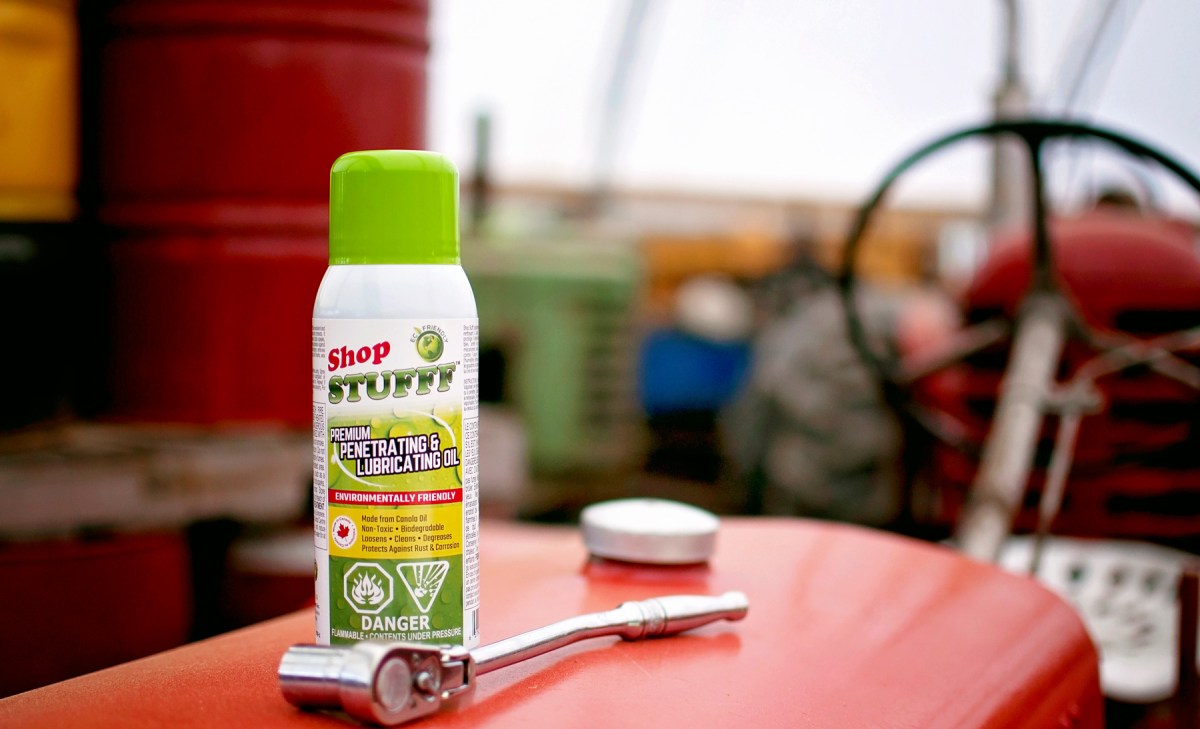
Understanding lubricant types is just the start. Let’s dive into how these lubricants affect real-world maintenance and total cost of ownership.
Equipment Care Best Practices
Maintaining equipment involves more than just applying lubricant. It’s about choosing the right kind and applying it correctly. With vegetable oil-based lubricants, you get a product that penetrates deeply, ensuring thorough coverage and protection. This is crucial for preventing rust and corrosion, common issues in agricultural and industrial settings.
Regular checks and timely lubrication can prevent costly breakdowns. Using biodegradable lubricants can also simplify cleanup, as they don’t leave behind harmful residues. This makes them ideal for high-stakes environments like food processing, where cleanliness is paramount. Here’s the key insight: switching to vegetable oil-based lubricants can reduce downtime and extend machinery life.
Total Cost of Ownership
While the upfront cost of vegetable oil-based lubricants may be slightly higher, they offer significant savings in the long run. How, you ask? By reducing maintenance costs and extending equipment lifespan. Petroleum-based products can lead to more frequent servicing due to their inferior performance at high temperatures.
Vegetable oil-based lubricants help cut down on repairs and replacements, ultimately saving you money. Furthermore, their eco-friendly nature might even qualify your business for tax incentives or reduce fines related to environmental compliance. Remember, the longer you wait to switch, the more you miss out on these benefits.
Choosing the Right Lubricant

Now that you’re equipped with maintenance insights, let’s explore how to pick the perfect lubricant for your needs.
Benefits of Biodegradable Options
Biodegradable lubricants are not just about being green; they’re about efficiency and safety. They break down naturally without leaving harmful residues. This means safer handling for workers and less environmental impact. Plus, their high lubricity ensures machinery runs smoothly, reducing the risk of costly disruptions.
Choosing these options reflects a commitment to sustainability, appealing to eco-conscious clients and partners. Here’s the bottom line: biodegradable lubricants offer a smart, responsible choice for your operations.
Why STUFFF is the Eco-Friendly Choice
STUFFF stands out in the lubricant landscape. It’s a Canadian-made, non-toxic solution that delivers high performance across various applications. From heavy machinery to delicate food processing equipment, STUFFF meets the challenge with ease. Users love its versatility and effectiveness, often stating it outperforms petroleum rivals.
Experiencing equipment that runs smoothly without the guilt of harming the environment is a win-win. Discover why STUFFF is your best bet for an eco-friendly, powerful lubricant solution. With STUFFF, you’re not just maintaining machinery; you’re advocating for a sustainable future.