

Too many lubricants quietly damage equipment before anyone notices. You might think your current product protects gears and bearings, but subtle signs tell a different story. Spotting these warning flags now can save you costly repairs and downtime. In this post, you’ll learn 9 clear signs your lubricant may be working against your equipment—and how switching to STUFFF’s biodegradable lubricants can keep your gear running cleaner and longer.
Recognizing Lubricant Failure Signs
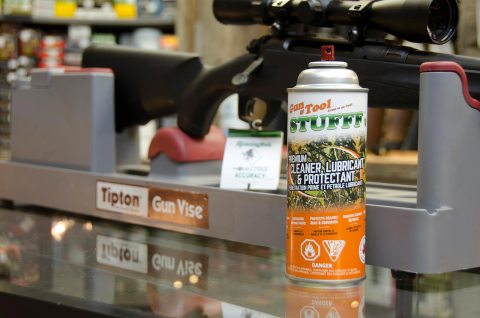
Spotting a failing lubricant early can prevent expensive repairs and downtime. Let’s uncover the signs that suggest your lubricant might not be doing its job.
Common Wear Indicators
You might notice unusual wear on gears or bearings. This is a red flag. If parts seem to wear out faster than expected, your lubricant might not be reducing friction as it should. Common wear indicators include increased noise or vibrations from machinery. Listen closely, as these sounds are often the earliest signs of trouble.
Another indicator is heat. If equipment feels hotter than usual, this can mean the lubricant isn’t providing adequate protection. Heat can lead to breakdowns, so it’s crucial to address this quickly. Monitoring the temperature of your equipment can give you early hints about lubricant performance.
Viscosity Changes and Compatibility
Viscosity is a measure of a fluid’s thickness and flow. A sudden change in the viscosity of your lubricant can imply it’s losing its protective qualities. For example, if it thins out too much, it might not coat surfaces effectively. Conversely, if it thickens, it can cause resistance and wear.
Compatibility is another crucial factor. Mixing incompatible lubricants can lead to poor performance. Always ensure the lubricant matches your equipment’s requirements. For more on how viscosity affects performance, check out this guide on lubricant viscosity.
Rust and Corrosion Protection
Rust is a clear sign of inadequate lubrication. If you spot any rust on parts, your lubricant may not be providing the necessary protective barrier. Rust can quickly escalate, leading to severe damage.
Corrosion is another concern. It often results from moisture exposure, which a good lubricant should prevent. If your equipment shows signs of corrosion, it’s time to reassess your lubricant choice. Consider a rust inhibitor for added protection.
Choosing the Right Lubricant

Selecting the right lubricant is key to keeping your equipment in top shape. Let’s explore why biodegradable options are excellent choices.
Benefits of Biodegradable Lubricants
Biodegradable lubricants aren’t just eco-friendly; they perform exceptionally well. These lubricants often provide better lubrication due to their natural properties. Plus, they break down safely, reducing environmental impact.
In addition to being kind to the planet, these lubricants are safe for users. No need to worry about toxic chemicals. With biodegradable options, you get the best of both worlds: performance and sustainability. Learn more about choosing the right lubricant.
Importance of Cold Weather Performance
Cold weather can challenge any lubricant, but some handle it better than others. Lubricants designed for low temperatures maintain their viscosity, ensuring smooth operation. This is crucial for preventing equipment from seizing up in the cold.
Choosing a lubricant with good cold weather performance means peace of mind during winter months. Your equipment will start easily and work efficiently, no matter the temperature outside.
Selecting Agriculture and Construction Lubricants
Agriculture and construction equipment demands robust lubrication. These machines work hard and face various environmental conditions. A lubricant designed for these applications will ensure durability and performance.
Look for lubricants that provide excellent corrosion protection and can handle heavy loads. These features prolong equipment life and reduce maintenance needs. For insights on selecting the right lubricant for your machinery, check out this resource.
Implementing Preventive Maintenance

Preventive maintenance is your first line of defense against equipment failure. Let’s dive into how you can keep your lubricants and equipment in check.
Lubricant Health Checklist Tips
Regular checks can prevent costly breakdowns. Create a checklist to monitor lubricant levels and condition. This includes looking for signs of contamination or unusual wear.
Keep a log of maintenance activities. This helps track when to change the lubricant and identify patterns in equipment performance. A well-maintained record ensures you never miss a crucial maintenance step.
Condition Monitoring Basics
Condition monitoring involves keeping an eye on the state of your equipment. This can include visual inspections as well as using sensors to track temperature and vibration levels.
By monitoring these factors, you can predict when maintenance is needed before a problem arises. This proactive approach helps in reducing unexpected downtimes and extends the life of your equipment.
Importance of Tribology in Maintenance
Tribology is the study of friction, wear, and lubrication. Understanding these concepts can improve how you maintain your equipment. It involves selecting the right lubricant and applying it correctly to reduce wear.
By understanding tribology, you can ensure that your equipment runs smoothly and efficiently. Implementing these principles can lead to significant savings in maintenance costs and prolong the life of your machinery. For more on evaluating lubricants, explore this article.
By recognizing the signs of lubricant failure, choosing the right products, and implementing preventive maintenance, you can ensure your equipment runs efficiently and lasts longer. STUFFF’s range of biodegradable and non-toxic lubricants offer reliable protection while being kind to the environment. Keep your machinery in top shape and enjoy peace of mind with the right lubricant choices.